
The patient's life is in your hands!
June 18th, 2026
One of my greatest aspirations as a kid was to work in the medical field. I first realized I wanted it when I told my mom I wanted to make video games, and she scoffed and said I should go where there's more money. I finally realized I didn't want it when I enrolled in the health science course at my vo-tech, fumbled terribly through all the work, and then when made to do my first hands-on with a patient, stuttered, froze up, and completely forgot what I needed to even do, praying for a ticket out that only came after a long and painful semi-silence and a cold reprimanding from my instructor.
It wasn't just mom's influence, though. A major factor was that I had developed a sentiment that many other people fell into: the romanticization of what it means to participate in the medical field, informed by a plethora of fictional portrayals. The glorification of what it means to "help people" in such a direct manner, and get paid for it! My father, as genuinely supportive as he was, was supportive in such a way that it created a quiet pressure to "be someone", and that no doubt contributed as well. Even now, there's still a large part of my soul that clings to the romanticized version of being a doctor... surely, anyone can understand— connecting meaningfully with grateful patients, being a god with a scalpel and a stethoscope, and firmly asserting your ideals and ethics in the face of those who would challenge them... It sure sounds cool, doesn't it?
That is what lead me to return to my favorite games on the Nintendo DS; Trauma Center: Under The Knife.
I was enthralled by the gameplay when I saw it at a kiosk in GameStop, despite not having a clue how it worked. Under The Knife is the kind of game that feels like such a novel, elegant conclusion of the hardware it exists on— Atlus staff came together to develop a one-of-a-kind experience that could have only ever worked on the DS. Your stylus turns into a scalpel, and you, a surgeon, as you're thrust into endlessly tense operations where you eradicate tumors, repair fractures and race against the clock. It's partly a puzzle game, partly an action game, but not fitting neatly in the usual conventions of either. It's also delightfully arcade-y, designed in a way where the real fun is the return trips where your improved speed, precision, and decisionmaking gives way to higher scores. The sense of immersion is also fantastic. You'll never do things exactly the same way twice, and you're afforded a lot of freedom in how you go about more complex operations, all while your nurse assistant gives you important insight over the beeping of the patient's heart monitor. Combined with the game's generally high challenge, and you'll find after finishing tougher jobs you're exhausted and drenched in sweat, pulling an invisible mask off of your face and feeling confident in your skills.

Trauma Center: Under The Knife's immersive and arcade-style action puts you right in the shoes of someone with a mission to save lives.
I feel like just playing the first few missions of this game would tell you why I clung to the idea of being a doctor, in between the intense, engaging gameplay and the compelling writing. While there is plenty of harsh reality featuring the characters both exhausted by their frequent work and grappling with the burden of caring for others, the game's goal is not for realism, but to make the medical world look appealing to the layman. The protagonist, Derek Stiles (hehe get it? "DS". DS Stylus. awesome) starts as a slacker who slowly comes into his own and develops an admirable, hero-protagonist ideal to save lives no matter what. Characters often talk at length about the advancements of medicine and speak dramatically of their willingness to "win the war" against diseases, while the boring and exhaustive in-betweens and specifics are comfortably glossed over. The main cast of experts often has meaningful connections with their always-friendly patients, leading to heightened tension and emotions as they become passionately invested in the lives of the people before them. And this isn't even getting into the way Atlus injects a little more sci-fi into the genre to amp it up— time-slowing powers gained from a medicine god and superviruses from a bioterrorist cult are other elements at the core of this story.
My love for this kind of thing didn't stop at Trauma Center, however; my favorite One Piece character for the longest time was Chopper, and I'm a big fan of Osamu Tezuka's Black Jack as well. I was reminded that what's really appealing at the core of most medical stories and portrayals is a fundamental heroism and humanism rooted in valuing life, and the fact that such altruism can be present in someone who is just like you or me. Many people want to be good, and making being good "look good" is one of those things that drives the appeal of so many stories. Superheroes aren't just good, they look good while they're being good, and that is part of what makes the idea of being a superhero so exciting. While it's not as overt as using super strength to hold up buildings, media with fantastical depictions of medical workers often elevates their mundane goodness—helping people improve their physical state through procedures and medicines, and holding strong personal ethics—into something larger-than-life, while still preserving a level of grounded day-to-day action that makes an audience think "I could become this person!". Much emphasis is placed on the conviction these characters have, and the struggles they deal with in holding them, even if it isn't an all-out brawl with a dangerous villain. Characters like Black Jack and Chopper are remarkable figures whose strength is just as apparent in their unwavering values and determination as it is in their great medical ability, while the narratives never cast doubt on the fact that they're figures who are truly committed in wanting to do right by others. A recent Kamen Rider season called Kamen Rider Ex-Aid feels like a particularly enjoyable conclusion from looking at the heroism present in the doctor's ideology; the classic hero known as Kamen Rider takes the form of a rookie doctor, and so the core concept of saving lives as a superhero is elegantly intertwined with the more grounded ideal of a doctor who cares for patients. For Kamen Rider specifically, which has always been built upon strong humanistic values, this feels as natural as it gets.
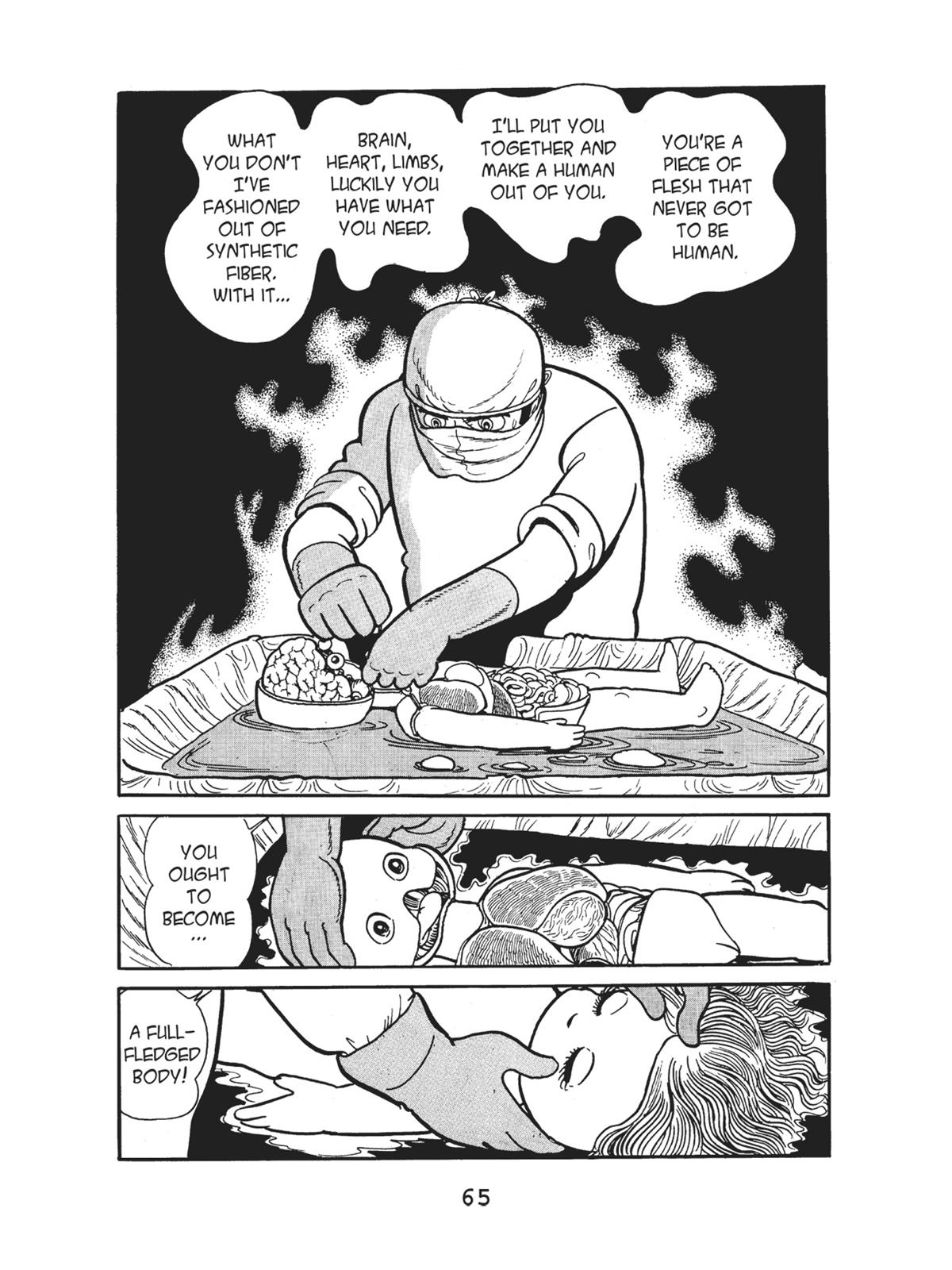
As a surgeon deeply committed to upholding and asserting the value of life, Black Jack embodies Osamu Tezuka's humanist philosophy.
Since those days I've long made peace with the fact that there are many other ways to help people and create positive change, even if not as glamorous. It sure isn't conventionally "cool", but even being a good friend to someone can be a way of saving them, and I speak from deep experience. But despite this, I won't pretend I'm not still drawn to media like this, even knowing they aren't the whole reality. I can't resist the allure of becoming that kind of hero, and the idea that there's a whole field of people who exist as such. Also, I think I'd just look really cool in scrubs and wielding a scalpel.